Hemp is a natural product and, as such, is subject to significant variations in quality. For companies, therefore, monitoring and ensuring product quality is essential to business success. You should consider the following aspects:
Since hemp is highly susceptible to fluctuations in quality , business owners should insist that their raw material suppliers conduct comprehensive laboratory tests . This is the only way to reliably determine critical values such as THC content, heavy metals, pesticide residues, and other risk factors.
The correct analytical method is crucial for truly meaningful test results. Certificates from independent testing laboratories, in turn, provide transparent and verifiable proof of the products’ authenticity and quality.
Other indicators of a commitment to quality include international standards for good agricultural, manufacturing, and harvesting practices. (See the GACP guidelines.) In the case of hemp flowers, appearance, texture, and smell also provide important clues about their intrinsic qualities.

Ultimately, quality must be maintained throughout storage, transport, and packaging all the way to the end customer. Regular moisture and contamination tests are essential in this regard.
Hemp products of the right quality
- Comprehensive laboratory testing for quality assurance is important
- Good growing and harvesting conditions are crucial
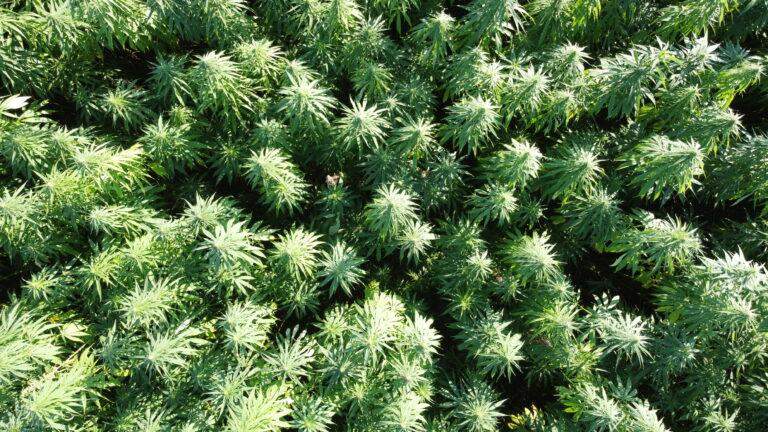
- Appearance, smell, and texture provide insight into the quality of hemp flowers
Consistent quality control throughout the entire value chain is essential for hemp companies to ensure product safety and customer satisfaction.
Connect with experienced suppliers through Hemp Impact’s network of experts!
Our quality checklist provides a simple overview of the key parameters for various hemp products:
Download now: The Hemp Quality Checklist