


lorem
One of the oldest cultivated plants is leading the race toward the future!
Many books have been written about the history of the hemp plant. Here, we want to focus specifically on the topics that currently offer economic and ecological opportunities in the hemp market. As early as 1994, Matthias Bröckers wrote in the foreword to his book *Hemp: The Rediscovery of the Hemp Crop*: “The facts gathered here on the history of hemp and its potential for an ecological future make a rediscovery of cannabis inevitable.”
Hemp
Hemp is an extremely hardy plant that is particularly well-suited for biodynamic cultivation due to its resistance to pests, its significant growth advantage over other plants, and its strong intolerance to most conventional herbicides.
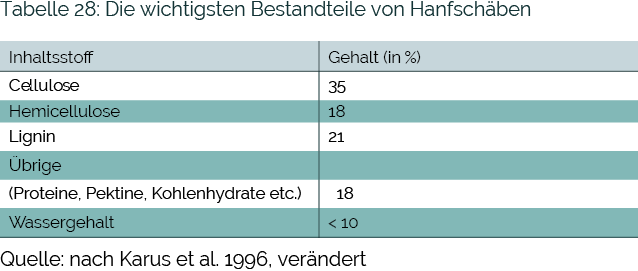
The plant sequesters large amounts of CO₂ in cellulose and hemicellulose. As a fuel, it offers a climate-neutral alternative, and when used in building materials, hemp can even reduce CO₂ emissions by up to 60%. Building a “hemp house” sequesters several metric tons of CO₂ from the atmosphere.
For every metric ton of hemp cellulose grown and processed, approximately 1.5 metric tons of CO₂ are sequestered from the atmosphere. That amounts to approximately 3–17 metric tons of CO₂ per hectare. To meet the Paris Agreement targets, CO₂ prices between $60 and $80 per metric ton will be necessary by 2025 at the latest, and these prices must rise to between $50 and $100 by 2030. As of August 2018, prices achieved in the EU Emissions Trading System stood at approximately 18 euros per metric ton, representing a price increase of over 200% compared to the previous year.
Revitalization
Hemp also has remarkable properties when it comes to revitalizing soils—some of which are heavily contaminated. In Belarus, research is being conducted using hemp to decontaminate contaminated soil, and in Fukushima, cannabis is even said to accelerate the cleanup of radioactively contaminated soil.
In addition to all these interesting properties, hemp is one of humanity’s oldest cultivated plants. In China, the first ropes were made from hemp fibers in 2,800 B.C., and the world’s first documented piece of paper—a sheet of hemp paper dating from 140 B.C.—has survived to this day.
We’d love to hear from you if you’re planning a project involving hemp! Please get in touch with us to see if we can support you with information, our network, or sales! Every project helps advance this unique resource!